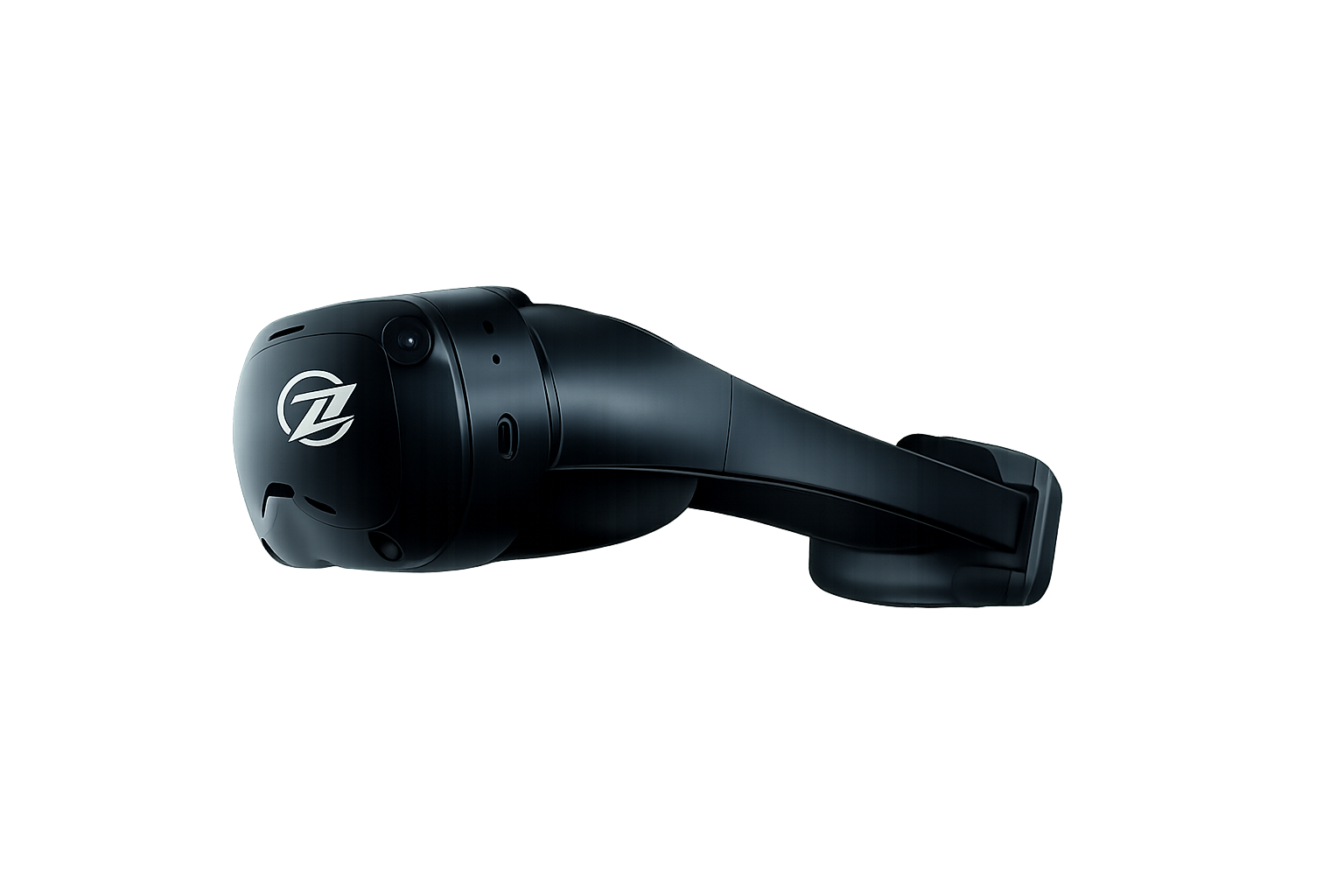
Physical AI hardware sits at the beginning of a long data pipeline. Decisions made at capture time determine what can be calibrated, reconstructed, labeled, and learned later.
For ego data collection, the hardware must preserve the actor's point of view while recording every signal required by the target episode schema.
Start with the learning objective
If a model must learn fine manipulation, hand visibility and timing may matter more than panoramic coverage. If the objective is navigation, stable pose and scene geometry may take priority. The required episode schema should drive the sensor layout.
Treat synchronization as a product feature
Multiple high-quality sensors do not form a coherent training sample automatically. Their clocks, coordinate systems, calibration states, and confidence estimates must travel with the data.
Reliable synchronization also simplifies downstream operations. Processing and annotation systems can work from explicit relationships instead of trying to infer them repeatedly.
Optimize the whole collection system
Weight, power, thermal behavior, storage, setup time, and operator training all affect data quality. These factors determine whether collection remains natural and repeatable outside a controlled demonstration.
The best hardware is therefore task-specific but pipeline-aware. It captures enough information to satisfy the data contract while keeping the collection program practical at its intended scale.